
Advanced Access Systems for Total Security

When it comes to securing your property, whether it’s a home, apartment complex, or business, relying on traditional locks just isn’t enough anymore. The world of security has evolved, and so have the tools we use to protect what matters most. Advanced access systems are the future of total security, offering smarter, more reliable, and highly customizable solutions. I’m excited to share how these systems work, why they’re essential, and how you can implement them effectively.
Why Choose Advanced Access Systems?
Advanced access systems bring a new level of control and protection. Unlike old-fashioned locks, these systems use technology to monitor, restrict, and log entry in real time. This means you can know who enters your property, when, and even control access remotely.
Here’s why advanced access systems stand out:
Enhanced Security: They reduce the risk of unauthorized entry by using biometric scans, key cards, or mobile credentials.
Convenience: No more fumbling with keys. Access can be granted or revoked instantly.
Audit Trails: You get detailed logs of every access event, which is crucial for businesses and apartment managers.
Integration: These systems can work with alarms, cameras, and other security devices for a comprehensive setup.
Imagine being able to lock or unlock your doors from your phone, or granting temporary access to a delivery person without giving out a physical key. That’s the power of advanced access systems.
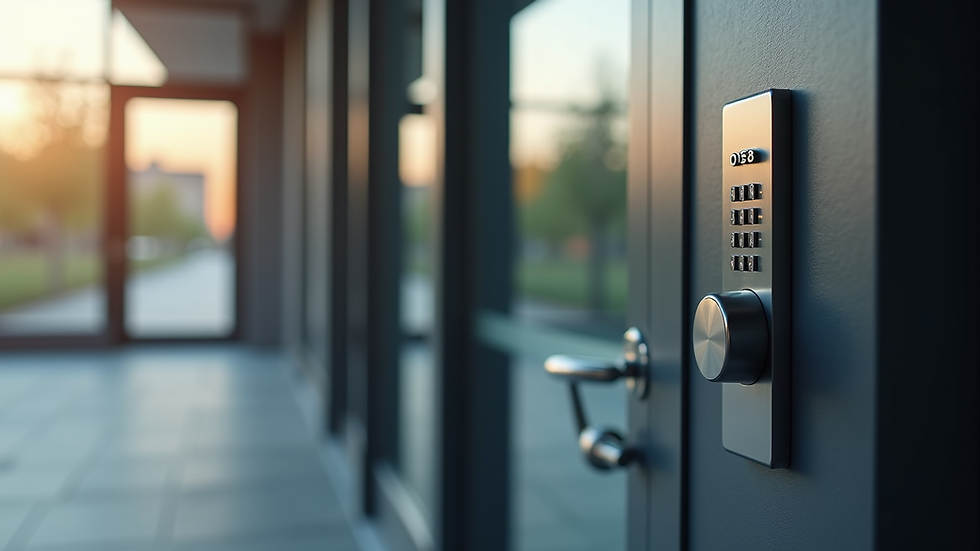
Exploring Different Types of Advanced Access Systems
There’s a wide range of advanced access systems available, each suited to different needs and budgets. Let’s break down some of the most popular options:
1. Biometric Systems
Biometric systems use unique physical characteristics like fingerprints, facial recognition, or iris scans to grant access. These are incredibly secure because they rely on something you are, not something you have.
Example: A fingerprint scanner at the main entrance of an office building.
Benefit: Difficult to duplicate or share, reducing the risk of unauthorized access.
2. Key Card and Fob Systems
These systems use RFID or NFC technology embedded in cards or fobs. Users simply tap or wave their card near a reader to gain entry.
Example: Apartment buildings often use key fobs for residents.
Benefit: Easy to issue and deactivate cards, perfect for managing multiple users.
3. Mobile Credential Systems
With mobile credential systems, your smartphone becomes your key. Using Bluetooth or NFC, you can unlock doors with an app.
Example: Business owners can grant access to employees remotely.
Benefit: No physical keys or cards needed, and access can be managed from anywhere.
4. PIN Code Systems
These systems require users to enter a personal identification number on a keypad.
Example: Small businesses often use PIN pads for after-hours access.
Benefit: Simple and cost-effective, but codes should be changed regularly for security.
Each system has its strengths, and often, combining two or more creates a layered security approach that’s even harder to breach.
How to Choose the Right Advanced Access System for Your Property
Choosing the right system depends on your specific needs, property type, and budget. Here’s a step-by-step guide to help you decide:
Step 1: Assess Your Security Needs
How many people need access?
Do you require different access levels for different users?
Is remote access important to you?
What kind of property are you securing (residential, commercial, mixed-use)?
Step 2: Consider Your Budget
Advanced systems vary widely in cost. Biometric systems tend to be pricier, while PIN code systems are more affordable. Factor in installation and maintenance costs as well.
Step 3: Think About Integration
If you already have security cameras or alarm systems, look for access systems that can integrate seamlessly. This creates a unified security network.
Step 4: Evaluate User Experience
Choose a system that’s easy for everyone to use. Complex systems can lead to frustration and mistakes, which might compromise security.
Step 5: Consult a Professional
Working with a trusted locksmith or security expert ensures you get a system tailored to your needs. They can also provide ongoing support and upgrades.
By following these steps, you’ll find a system that not only secures your property but also fits your lifestyle and operations.

The Role of Technology in Modern Security
Technology is the backbone of advanced access systems. Innovations like AI, cloud computing, and IoT (Internet of Things) have transformed how we think about security.
AI-Powered Analytics: Some systems use AI to detect unusual access patterns or potential security threats, alerting you instantly.
Cloud-Based Management: Cloud solutions allow you to manage access permissions and monitor activity from anywhere, using any device.
IoT Integration: Doors, cameras, alarms, and sensors can communicate with each other, creating a smart security ecosystem.
These technologies not only improve security but also make management easier and more efficient. For example, if a key card is lost, you can immediately deactivate it remotely, preventing unauthorized entry.
Practical Tips for Maintaining Your Advanced Access System
Installing an advanced access system is just the beginning. Proper maintenance ensures it continues to protect your property effectively.
Regular Software Updates: Keep your system’s software up to date to patch vulnerabilities.
Change Access Codes Periodically: For PIN and code-based systems, update codes regularly.
Audit Access Logs: Review logs to spot any suspicious activity.
Test Backup Power: Ensure your system works during power outages with battery backups or generators.
Train Users: Educate everyone who uses the system on proper procedures and security best practices.
By staying proactive, you can avoid common pitfalls and keep your security system running smoothly.
Securing Your Property with Confidence
Advanced access systems are more than just a security upgrade - they’re a commitment to protecting your property and peace of mind. With the right system in place, you gain control, convenience, and confidence.
If you want to explore options or need expert advice, consider reaching out to professionals who specialize in these technologies. They can help you design a solution that fits your unique needs and keeps your property safe.
For those interested in learning more about access control systems, there are plenty of resources and experts ready to guide you through the process.
Investing in advanced access systems means investing in your security future. Don’t wait for a security breach to take action - start securing your property today with smart, reliable technology.


